Where to See Geisha in Kyoto: Districts, Streets, and Walking Tours
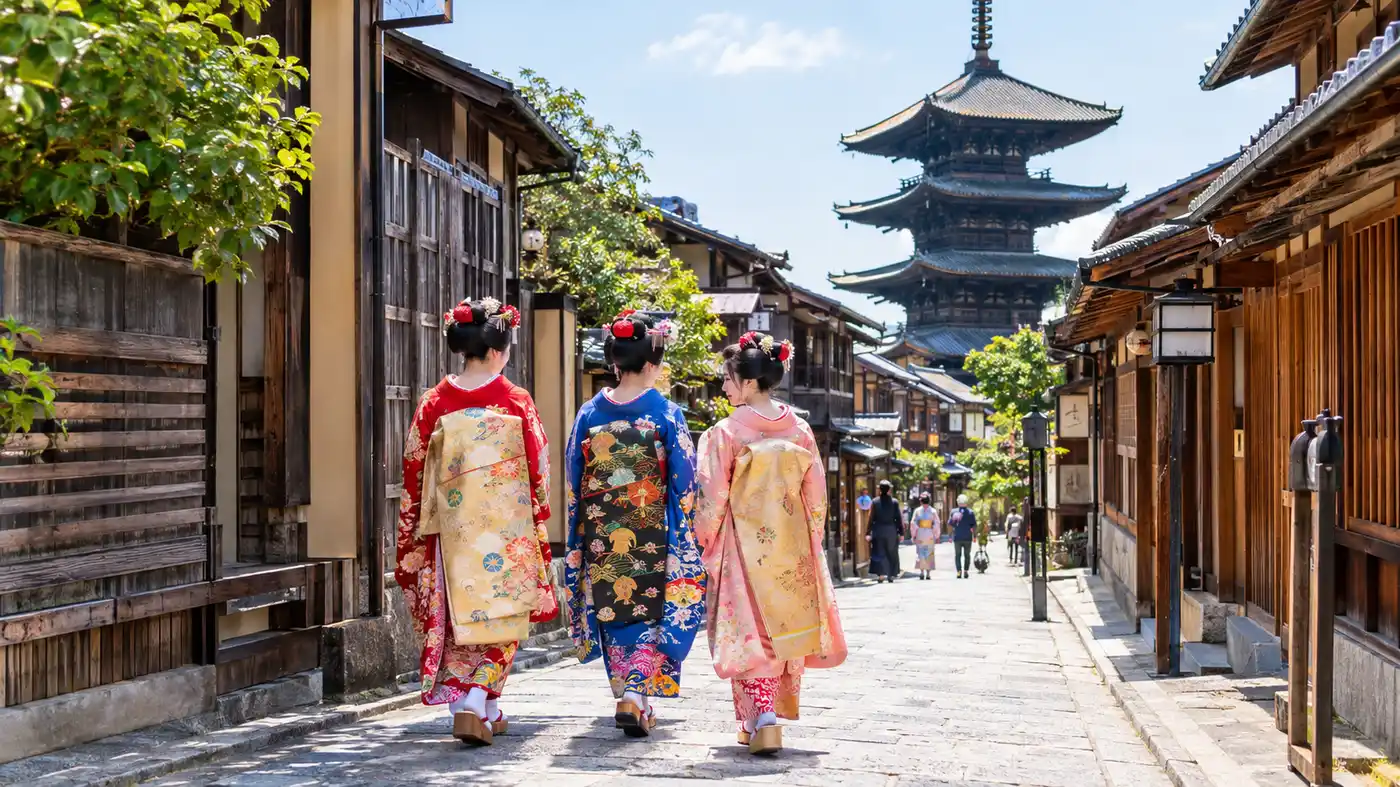
Dusk settles over the Kamo River around 5:45 PM, and the wooden lanterns along the alleys of Gion flicker to life. If you stand quietly near the corner of Hanamikoji, you might catch the sharp, wooden clip-clop of geta sandals striking paving stones. Finding where to see geisha in kyoto is less about chasing an elusive performance and more about understanding the rhythm of their workday. They have appointments to keep, banquets to host, and apprentices to guide through century-old teahouses.
Most visitors show up at noon expecting women in full white makeup to stroll casually down Shijo-dori with paper parasols. That never happens. Kyoto has roughly 200 working geiko (the local Kyoto term for geisha) and maiko (their apprentices), living and training in five self-contained floral districts. Knowing which corner to stand on, what time to walk, and how to behave changes a frustrating goose chase into a breathtaking memory.
Book your geisha show kyoto experience:
The Five Hanamachi: Choosing the Right Geisha District in Kyoto
Locals call Kyoto's geisha quarters the hanamachi, which translates literally to flower towns. There are five active ones today. Four sit clustered near downtown east of the river, while one perches alone in the northwest corner of the city. Each district has its own crest, its own distinct architectural mood, and a fiercely guarded community board.
Gion Kobu is the largest and most famous geisha district kyoto has to offer. It stretches south of Shijo-dori, centered around Hanamikoji Street. This is where you see the grandest ochaya (teahouses) with dark wooden lattices called koushi. Just northeast of it lies Gion Higashi, a much smaller, quieter pocket often overlooked by the tour bus crowds. If you wander down toward the river along the Shirakawa canal, you enter a postcard scene of weeping willows and stone bridges, though most geiko in Kyoto here operate quietly behind unmarked wooden sliding doors.
Across the river, Pontocho runs as a narrow, stone-paved corridor barely two meters wide in some spots. It stretches from Shijo-dori up to Sanjo-dori, running parallel to the water. At night the alley smells of charcoal yakitori and cedar wood. Further south sits Miyagawacho, running alongside the riverbanks south of Shijo. It feels residential, intimate, and carries a gentle pace compared to the intense bustle of central Gion.
Then there is Kamishichiken. It sits far north, right next to Kitano Tenmangu Shrine. It is the oldest geisha area kyoto maintains, established in the 1400s using leftover wood from shrine repairs. Tourists rarely make the 35-minute bus ride up here, which means you can walk its quiet stone streets at 6:00 PM without elbowing a single selfie stick.
Note: In early 2024, local resident councils in Gion Kobu officially restricted tourists from entering private side alleys off Hanamikoji, backing the rule with a 10,000 yen fine. Stick strictly to public streets and look for the multi-language signs posted on lampposts.
To help you decide which neighborhood fits your evening walk, here is how the five districts stack up against each other:
| District | Vibe & Atmosphere | Crowd Level | Best Time to Walk |
|---|---|---|---|
| Gion Kobu | Grand, historic, cinematic | Heavy to intense | 5:30 PM - 6:30 PM |
| Pontocho | Narrow alley, lantern-lit, vibrant | Heavy (diners) | 6:00 PM - 7:30 PM |
| Miyagawacho | Traditional, quiet, residential | Moderate | 5:15 PM - 6:15 PM |
| Gion Higashi | Intimate, understated, hidden | Low to moderate | 5:45 PM - 6:45 PM |
| Kamishichiken | Atmospheric, local, peaceful | Very low | 5:30 PM - 6:30 PM |
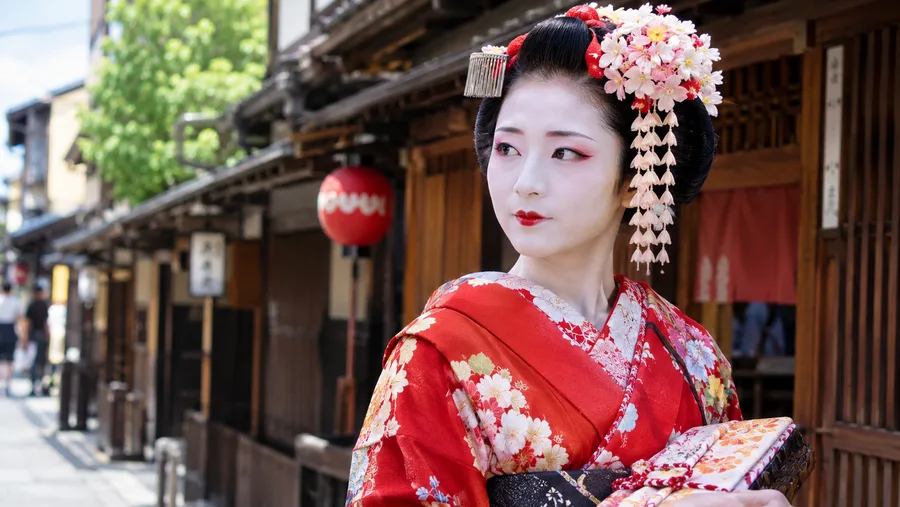
If you see someone walking, you might wonder if you are looking at a full geiko or a younger trainee. If the collar is red and the hair is decorated with hanging seasonal flowers, she is a maiko. You can read our detailed breakdown of geisha vs maiko differences to spot the kimono cues in seconds.
The Best Streets to Explore: From Hanamikoji to Shirakawa Canal
A classic geisha street kyoto guide always starts with Hanamikoji. The southern half of this street, paved in charcoal-grey granite flagstones, contains some of the country's most exclusive teahouses. Yes, it gets crowded around sunset. But stepping onto those stones just as the sky turns indigo feels like walking straight into the Edo period. Black-lacquered taxis slide past silently, dropping off wealthy patrons or picking up geiko rushing to dinner engagements.
Just five minutes away on foot, the Gion Shirakawa area offers something entirely different. The canal ripples past old wooden facades, and cherry trees lean heavily over the water. Lanterns cast amber pools across the damp pavement. It is less of a straight commercial highway and more of a quiet labyrinth. Many artists and photographers prefer this area because the wooden footbridges provide incredible natural framing.
Pro tip: Skip the main stretch of Hanamikoji during prime dinner hours and instead walk the quiet boundary street between Kennin-ji Temple and the southern tip of Miyagawacho. Geiko frequently cut through this open paved walkway between teahouses, away from tourist crowds.
If you head south from Gion toward the hills of Higashiyama, the landscape shifts. While the climbing roads near Gion Kiyomizu are packed with day-trippers renting cheap synthetic kimonos for social media photos, the true geishas in kyoto do not wander up to Kiyomizu-dera to sightsee. Knowing where do geishas live helps set real expectations: they reside in communal boarding houses called okiya tucked directly inside the hanamachi, not along tourist temple paths. You will not stumble across working geisha browsing pottery shops on Matsubara-dori at two in the afternoon.
Timing and Street Etiquette: When and How to Catch a Glimpse
Timing your walk is everything. An apprentice or fully fledged geisha kyoto artist spends her daylight hours taking lessons in shamisen, dance, tea ceremony, and traditional singing. They arrive at the training schools around 9:00 AM wearing casual clothes or simple yukata with bare faces.
- Lesson transit hours: Between 8:30 AM and 10:00 AM, you may spot trainees walking toward rehearsal halls dressed in plain kimono or modern street clothes with their hair styled in complex classical buns.
- The evening rush: Between 5:30 PM and 6:15 PM, doors open and geiko step out in formal white makeup, magnificent silk crests, and layered kimono, walking swiftly to their first ozashiki (banquet appointment).
- Appointment rotations: Around 8:30 PM to 9:15 PM, banquets wind down and performers transfer from one banquet room to another across the district.
Catching sight of a geisha in kyoto requires patience and deep respect. Bad tourist behavior has made headlines worldwide for good reason. People have chased them, pulled on their delicate silk kimono sleeves, cornered them against doors, and shoved smartphone cameras inches from their faces. Treat an encounter like spotting a high-ranking dignitary rushing into an important business meeting.
Always step back against the wall of the street to give them a wide berth. Never block their path or ask them to stop for a selfie. Turn off your camera flash, as bright strobe lights can disorient a maiko balancing heavy hairpieces and tall platform shoes. If you want to snap a photo, stand still, zoom in from a respectful distance of at least ten feet, and let her pass without disruption. A quiet bow of your head is the only appropriate greeting.
Book your geisha show kyoto experience:
Kyoto Geisha Tours: Are Guided Evening Walks Worth It?
Booking one of the many kyoto geisha tours can take the stress out of navigating private streets and unfamiliar alleyways. A licensed local guide bridges the massive cultural gap between what looks like an anonymous wooden wall and the centuries of secret traditions operating behind it. Many travelers find that taking a geisha tour kyoto evening walk on their first night completely reframes how they view the old capital.
- Small-group historical walks: These 90-minute to 2-hour walking tours cost roughly 4,000 to 6,500 yen per person. Guides explain the district crests, point out active okiya, decipher the wooden nameplates hanging outside teahouses, and decode local architecture.
- Private specialized tours: Costing upwards of 25,000 yen for a party, private guides tailor the walk around photography, architectural history, or culinary stops in Gion and Pontocho.
- Ethical transparency: Good geisha tours never promise a direct, staged photo op with a working geiko on the street. If a tour operator guarantees you will stop and pose with a geisha during a street walk, stay away.
I took a walk with a Kyoto native who grew up three streets from Kennin-ji, and the small details she pointed out made the entire evening. She showed our small group of four how the wooden tags beside a doorway reveal exactly which maiko belong to that household, and how fresh salt piles placed on the cobblestones purify the entrance each afternoon. Those tiny cultural nuances turn a generic walk into a deep, textured experience that you simply cannot get by wandering alone with Google Maps.
Many people wonder whether these traditions are fading out under modern pressures. If you are curious about how the community maintains its ranks and finances today, read about how modern geisha culture survives against modern odds.
Guaranteed Sightings: Public Dances and Teahouse Experiences
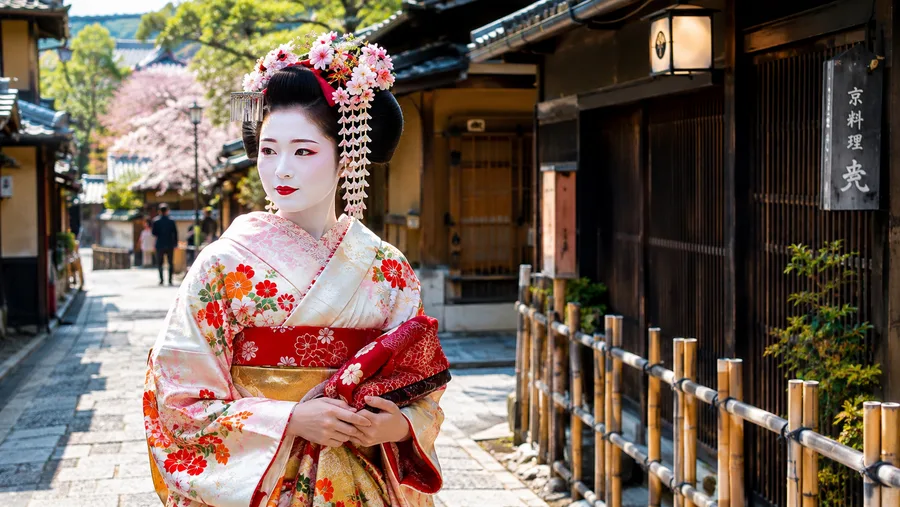
Hoping to catch a fleeting two-second glimpse of a gion geisha rushing through an alley can leave you empty-handed. If you have limited days in the city and your heart is set on seeing their artistry, book a structured cultural performance instead.
Kyoto's hanamachi host spectacular annual dance festivals called odori. These public theatre shows feature dozen of maiko and geiko performing synchronized choreography against hand-painted seasonal backdrops. Tickets usually run between 4,000 and 7,000 yen, and you can reserve seats online several months in advance:
- Miyako Odori (Gion Kobu): Held throughout April at the historic Gion Kobu Kaburenjo Theatre, celebrating the arrival of cherry blossoms.
- Kyo Odori (Miyagawacho): Staged in early April, known for lively ensemble dances and vibrant staging.
- Kitano Odori (Kamishichiken): Held in late March to early April, intimate and deeply revered by local Kyoto residents.
- Kamogawa Odori (Pontocho): Held in late May at the Pontocho Kaburenjo Theatre, famous for dramatic storytelling and stunning costumes.
- Gion Odori (Gion Higashi): The only autumn festival, taking place in early November amidst the vibrant fall foliage.
Outside festival months, you can book an intimate geisha tea ceremony experience where an apprentice prepares powdered matcha whisked directly in front of you. For travelers with bigger budgets, reserving a private geisha dinner in Kyoto through specialized concierge agencies opens the door to an authentic ozashiki banquet. There you can play traditional drinking games, watch private shamisen dances, and converse through an English interpreter over multiple seasonal courses.
Frequently Asked Questions about where to see geisha in kyoto
What is the absolute best time of day to see a geisha on the street?
Between 5:30 PM and 6:15 PM is prime time. This is when geiko and maiko leave their boarding houses to walk to evening dining appointments across the hanamachi.
Can I stop a geisha on the street to take a photograph with her?
No, you should never stop them. They are working professionals hurrying to timed client bookings, and stopping them is considered extremely rude and disruptive.
Where can I see geisha in Kyoto during the day?
You will almost never see geisha dressed in full white makeup during the day on public streets. For daytime viewings, book tickets to an afternoon tea ceremony or an annual spring dance festival at one of the district theatres.
Are the women taking photos in kimonos around Gion real geishas?
Almost certainly not. Nearly every person posing for casual daytime photos in kimono around Gion and Kiyomizudera is a tourist using a local rental kimono shop.
Quick Reference
- Primary area: Gion Kobu along Hanamikoji
- Peak street hour: 5:30 PM to 6:15 PM
- Etiquette rule: Do not touch, follow, or block paths
- Annual highlight: Miyako Odori dance festival in April
- Offbeat district: Kamishichiken in the northwest
Book your geisha show kyoto experience:
Before You Go
Walking through the lantern-lit alleys of Kyoto with an open mind and a quiet step makes all the difference. If you spend an hour soaking up the evening atmosphere around Gion or Miyagawacho, keep your camera lowered and take in the architecture, the scent of burning incense, and the subtle sounds of traditional wooden door frames sliding shut. Even if no geiko crosses your path that evening, the historic beauty of the flower quarters under nightfall is something you will carry long after leaving Japan.
Read more about geisha show kyoto.